Online gambling usually creeps from harmless to harmful, rather than flipping in one dramatic moment. The first clue is often not a huge loss, but a pattern: longer sessions, more secrecy, more money moving out than going in, and a person who keeps saying they are in control while their behavior says otherwise.
Families make the mistake of waiting for a total collapse before they call it a problem. By then the rent is late, the lies are stacked up, and the person gambling is often deep in shame. The quieter warning signs arrive much earlier, and they are usually plain enough once you know what to look for.
The first signs are about control
A recreational gambler sets a limit and usually keeps it. A person sliding into addiction keeps crossing their own line. They tell themselves they will spend 200 rand, then it becomes 500, then 1,000, and the session runs far longer than planned. The phone starts getting checked in idle moments. Sports odds, casino apps, deposit limits, past wins, next bets, all of it begins to crowd out ordinary life.
The DSM-5 describes gambling disorder as persistent, recurring gambling that causes serious distress or disruption. You do not need a formal diagnosis to spot the shape of it in everyday life. The signs are practical:
- spending more time gambling than intended
- thinking about bets or losses when not gambling
- trying and failing to cut down
- feeling restless, irritable, or angry when stopped
- needing bigger stakes to feel the same rush
- chasing losses by gambling again after a setback
That last one is a common trap. Once a person starts trying to win back what they lost, the whole thing turns feral. They stop gambling for entertainment and start gambling for rescue. That rarely ends with a rescue.
Secrecy usually arrives with the control problem. People clear browser history, move between apps, keep their phone face down, or invent explanations for why they are always online. If someone becomes defensive every time a betting app or a bank notification comes up, that is often concealment, not a personality quirk.
Money starts disappearing in familiar places
Online gambling damages a household from the inside out because the damage is not always visible in one big purchase. It shows up in small evasions. The grocery money is short. A school fee is suddenly unpaid. A utility account falls behind. A salary disappears faster than it should. Then the explanations get loose and inconsistent.
Common financial warning signs include:
- repeated borrowing with no clear reason
- credit card balances that keep growing
- personal loans taken out to cover gambling or old debts
- money borrowed from micro-lenders or mashonisa
- assets sold off quietly, such as a phone, laptop, car part, or jewelry
- money meant for rent, food, transport, or children’s needs diverted into gambling accounts
The online setup makes this easier to hide than many other addictions. There is no trip to a physical venue, no obvious time away from home, and no pile of chips in a pocket. A few taps can move funds from a bank account to a betting platform before anyone in the house notices the balance has dropped.
Families often notice the consequences before they see the behavior. The fridge gets thinner. School money becomes a fight. A partner starts checking bank statements because the numbers no longer make sense. By then the trust problem is already underway.
Debt is not just a side effect here. For many households, it becomes part of the addiction itself. Once a person is borrowing to keep gambling, they are borrowing against the next month, then the month after that. This is how a habit becomes a financial emergency.
The emotional pattern gets uglier
The emotional shift is usually the hardest thing for loved ones to name because it can look like stress, depression, or simple bad temper. In practice, it is often all three. A person who is losing control over gambling tends to live in a cycle of brief excitement, heavy shame, and another attempt to fix the mess with more gambling.
Watch for these changes:
- guilt that shows up after losses, then gets buried
- shame that leads to more lying
- anxiety before checks, transfers, or debt calls
- low mood, numbness, or hopelessness
- mood swings that seem out of proportion
- anger when asked ordinary questions about money or time
People also start to lose their sense of self outside gambling. Hobbies drop off. Work becomes a place to wait for the next break. Conversation gets thinner. The person may still be physically present, but their attention is elsewhere, constantly running a private audit of wins, losses, and next chances.
The emotional crash can get serious. Gambling addiction often sits beside depression, anxiety, or substance use. Sometimes the person is trying to numb something else and gambling becomes the cleaner excuse. Sometimes the gambling itself creates the low mood, panic, and self-disgust. Either way, the combination can become dangerous fast.
If someone starts talking like nothing can be fixed, or hints that other people would be better off without them, treat it as urgent. Gambling problems can sit next to suicidal thinking, and that requires immediate help, not a lecture.
The body and the routine change too
Problem gambling is not only a money issue. It changes how a person sleeps, eats, moves, and shows up in the world.
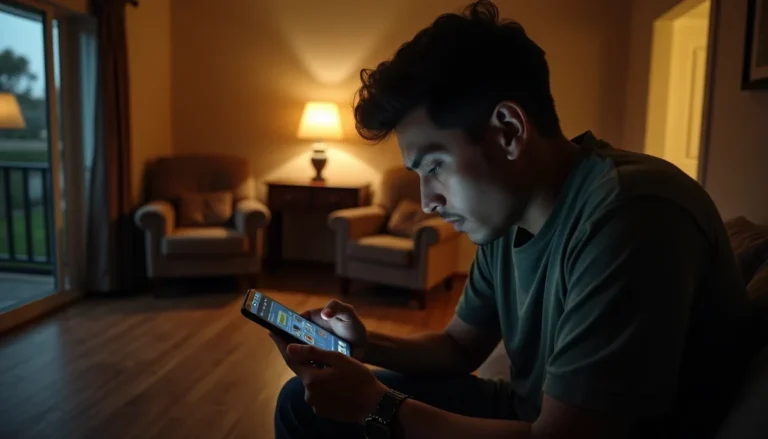
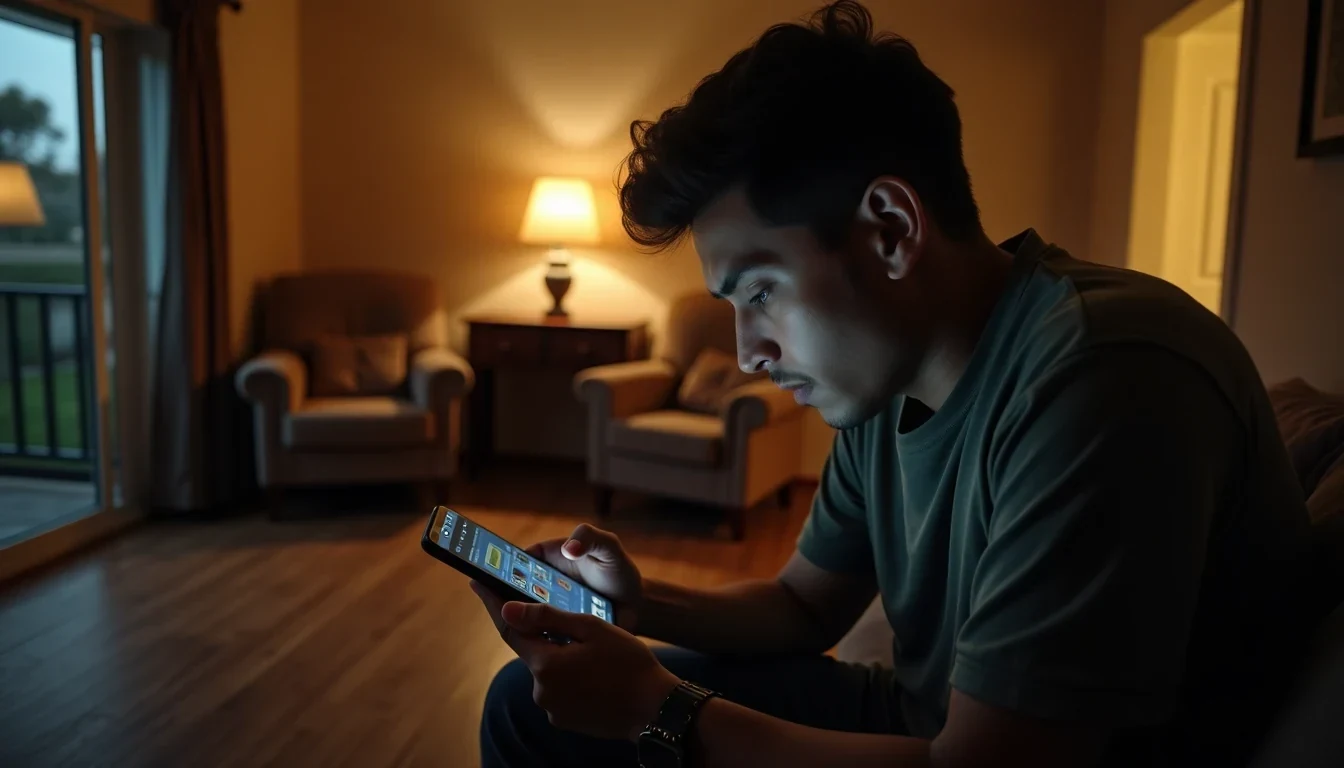
Late-night sessions are a common marker. A person keeps one more tab open, one more match, one more spin, then stares at the screen until sleep has been wrecked. The next day they are exhausted, irritable, foggy, and likely to do it again because they want relief. That cycle is familiar to anyone who has sat through a family blow-up about “just being tired”.
Other physical and lifestyle signs include:
- poor sleep or staying up through the night
- skipped meals or irregular eating
- weight changes, up or down
- neglected hygiene, dirty clothes, or general disarray
- less exercise and more time sitting in front of a screen
- eye strain, headaches, or back pain from long sessions
- pulling away from friends, family, and ordinary social plans
Isolation is one of the clearest red flags. The person stops joining meals, outings, or family routines because they want time and privacy for gambling. Loved ones withdraw too, partly from frustration and partly from shame. The house gets quieter, then colder.
If the person becomes oddly protective of their phone, keeps disappearing to another room, or is constantly “busy” at odd hours, pay attention. Online gambling thrives in private. The more private it gets, the more entrenched it tends to be.
Families make the problem worse when they cover for it
This part usually stings, because families often act out of love and end up feeding the disorder. They pay off a debt to keep the lights on. They lie for the person to protect a job. They hand over another amount because they want peace at home. They hope one more rescue will buy enough time for things to settle.
It usually does not. It buys the next round.
Covering a gambling problem can become enabling very quickly. That does not mean cutting someone off and walking away. It means refusing to smooth over consequences that the person needs to face. A boundary is not punishment. It is a refusal to keep underwriting the addiction.
Families also get trapped in the wrong argument. They focus on whether the person is “really addicted” instead of what the behavior is doing. That debate can drag on for months while the debt grows and the trust erodes. A better question is simpler: is this person still able to stop when they say they will, and are the consequences getting worse?
If the answer is no, the label is already less important than the pattern.
What to do next
The right next step depends on who is noticing the problem.
If you are the one gambling, stop treating this as a moral failing and start treating it as a control problem. The earlier you act, the more options you keep.
Practical moves:
- call the National Responsible Gambling Programme helpline on 0800 006 008
- ask for counseling support and self-exclusion options
- remove gambling apps and block access where possible
- hand over financial control temporarily if you cannot trust yourself with it
- tell one person the truth, in full, before the lies multiply
Self-exclusion is one of the most useful immediate barriers. In South Africa, licensed online gambling platforms allow voluntary exclusion, which can cut off easy access while treatment starts. It is not a cure, but it interrupts the loop.
If you are the partner, parent, sibling, or friend, do not open with an accusation. Open with what you have seen. Keep it concrete. Mention the missed bills, the lies, the late nights, the unexplained withdrawals. Then name the impact on the household. Vague anger gives the person room to dodge. Specific observations make denial harder.
Support usually works best when it is paired with structure:
- set a clear boundary around money
- stop lending cash without a plan
- insist on treatment as a condition for financial help
- protect joint accounts, cards, and debit access
- document debts and obligations so the scale stays visible
For some families, debt counseling is part of the recovery plan because the finances have become too messy to manage informally. For the gambler, professional counseling with a psychologist, psychiatrist, or addiction counselor can help sort out the gambling itself and any depression, anxiety, or substance use sitting underneath it.
Recovery is not a solo project
Gamblers Anonymous groups can help because they remove the fiction that this is a private weakness no one else understands. People hear their own tricks in other people’s stories. That cuts through denial fast. Gam-Anon gives family members a place to stop carrying the whole thing alone and start thinking clearly about boundaries.
Treatment is not just about stopping the behavior for a week. It is about building a life where the gambling slot gets filled by something sturdier. That often includes counseling, money safeguards, support groups, and follow-up after the crisis phase has passed. Relapse is common if the person only removes the app and does nothing about the habits, triggers, shame, and debt that drove the behavior in the first place.
The clearest warning sign is also the simplest one: if the gambling keeps going despite damage to money, sleep, work, relationships, or mental health, it is no longer recreation. It has become a pattern that is eating the rest of life around it. The sooner that is named, the sooner it can be interrupted.